Volume VIII · Commerce · Applied AI
The Rewriting Engine
Batch AI rewriting for product catalogues, with prompt controls and safety checks, built end-to-end from template to production.
- Problem
- Rewriting thousands of product listings with AI risked damaging the whole catalogue.
- Outcome
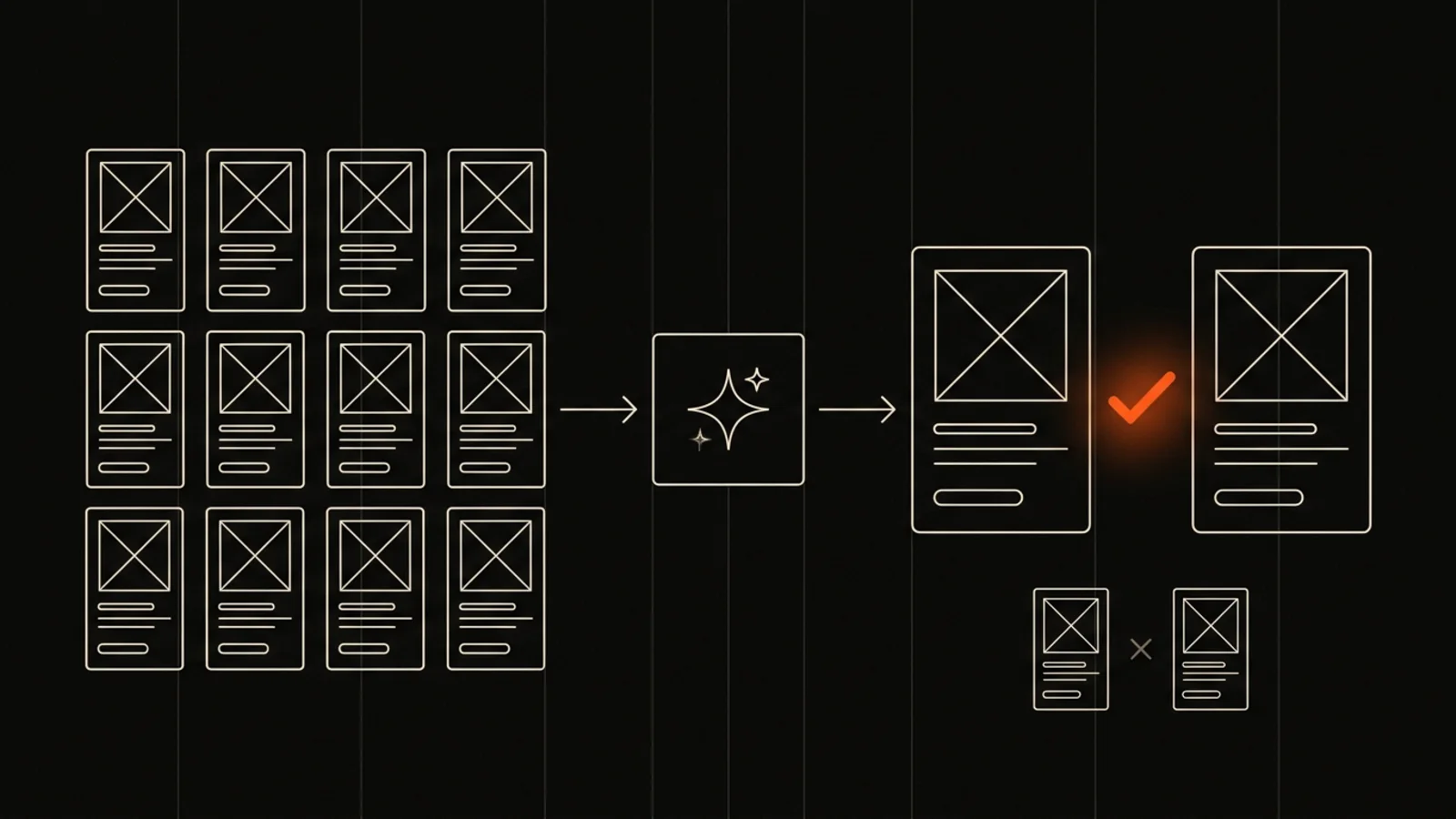
- Batch AI rewriting with safety checks and side-by-side review before anything is accepted.
- Principal
- MagicFeedPro ↗
- My role
- End-to-end engineer
- Period
- 2025 — 2026
- Tech used
- FastAPI · PostgreSQL · LLM pipelines · React
Chapter 1 · The problemThe Thesis
Generative AI at catalogue scale is not a prompt problem. It is a pipeline problem: control, safety, and the ability for a human to see exactly what changed.
Chapter 2 · The client & my roleThe Catalyst
MagicFeedPro optimises product feeds with AI. I developed the application end-to-end, from template to production: APIs and processing pipelines for batch rewriting with prompt controls and safety checks, persistence for product records, and a responsive review-and-compare interface.
Later I returned to deliver QA, security fixes, and server management for the platform.
Chapter 3 · The hard partThe Friction
Rewriting thousands of products at once means a single bad prompt can damage an entire catalogue. Speed is useless without review.
The decision was to make every change inspectable: safety checks in the pipeline, and a compare interface where the original and the rewrite stand side by side before anything is accepted.
“Automation at scale is only safe when every change can be seen.”
Chapter 4 · The resultThe Monument
The platform rewrites in batches while keeping the merchant in control of every product that leaves the system.
- Batch
- AI rewriting pipelines
- Side-by-side
- Review and compare before accept
- End-to-end
- From template to production